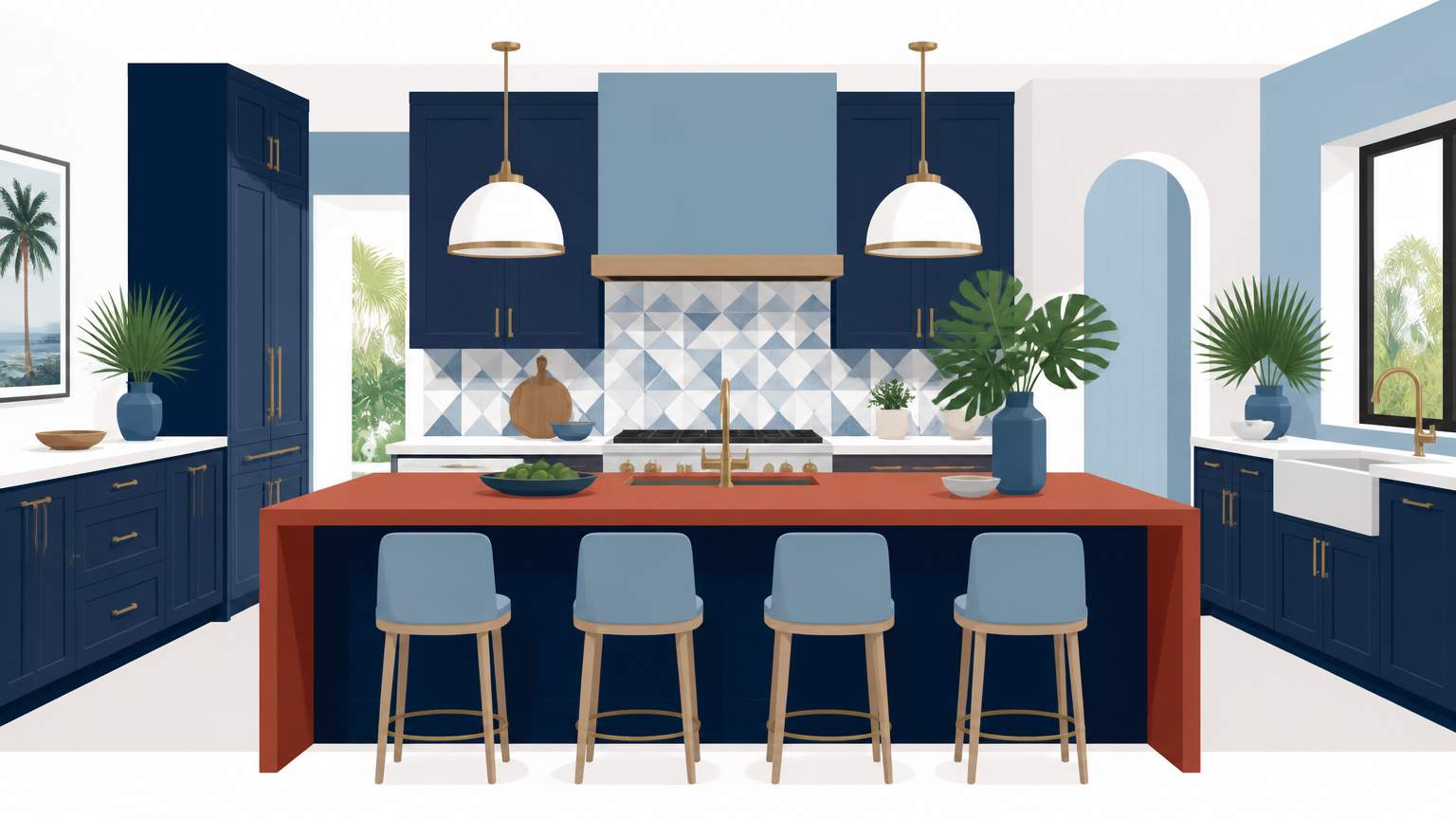
For South Florida homeowners looking to refresh their kitchens, a cabinet-only refresh can be a tempting solution. This approach, however, may not be as durable, compliant, or valuable in the long term as an entire kitchen remodel. Key factors in making this choice include the regional climate, available budget, and future plans for the property, all of which can be assessed through a clear framework.
One of the main benefits of doing a cabinet-only refresh is its speed. It can give your kitchen a new look in 2-4 weeks with a cost of between $12,000 and $25,000. In contrast, a complete remodel usually takes 6-10 weeks and may cost between $45,000 and $85,000. But don't forget the climate: the humid coastal air in South Florida can affect the durability of the cabinets. For example, particleboard boxes can swell, delaminate, or mold quickly if exposed to water. If your kitchen has older particleboard boxes, a full remodel that replaces them with moisture-resistant materials could be safer in the long run.
In particular, hurricane-proof construction often requires cabinets to be installed to withstand high winds. A cabinet-refresh project may not consider the necessary frame and hardware changes and leave the area vulnerable to storm damage. In condo environments, local codes also require specific standards for things like impact-rated windows, which a full remodel can better accommodate.
When it comes to the resale market in South Florida, buyers often favor neutrally colored cabinets with subtle two-tone accents rather than bolder or darker colors. A full remodel can include these appealing design choices along with durable hardware, which may enhance your selling price. Conversely, a cabinet-only refresh that incorporates non-neutral designs may not do as well unless the house is in a very high-end neighborhood.
The impact of humidity is a crucial consideration when selecting materials. Factory-applied finishes provide effective protection against moisture, whereas field-applied paints can crack more rapidly in humid climates. Soft-closing hinges that can support heavier loads reduce the likelihood of breakage, while hardware made from solid brass, brushed nickel, or stainless steel outlasts cheaper materials. And because lower cabinets are more susceptible to water damage, particleboard boxes that encounter moisture usually need to be replaced.
In a region that requires hurricane-proofing, there are requirements for impact-rated windows and wind-resistant construction. Cabinets that have not been anchored to withstand high winds may fail; verifying compliance with local regulations is crucial to avoiding this issue. A full remodel can integrate construction that meets these standards.
Buyers' expectations also shift. Light or neutral cabinets with subtle, two-tone designs are typically the most marketable. A cabinet refresh can prioritize those elements while still boosting resale value, but a complete remodel that uses durable, compliant materials and designs offers the maximum potential return.
Assess the Condition of the Cabinets Look for signs of swelling, delamination, or mold. If particleboard is present, you may want a full remodel to replace it with plywood or engineered wood.
Evaluate Climate Factors Consider factors related to humidity and salt. Select finishes that factory-apply and hardware that is solid brass or brushed nickel.
Check Compliance with Codes Verify that the kitchen complies with hurricane-grade wind loads. If not, a full remodel can enhance compliance.
Project Costs and Timelines A cabinet-only refresh usually takes 2-4 weeks and costs $12,000 to $25,000, while a full remodel takes 6-10 weeks and costs $45,000 to $85,000.
Project Resale Value Light, neutral two-tone cabinets with quality hardware perform best in the market. A full remodel can integrate these elements to justify a higher price tag.
Plan for Living Through Renovations A cabinet refresh minimizes disruption, allowing homeowners to continue using the kitchen.


